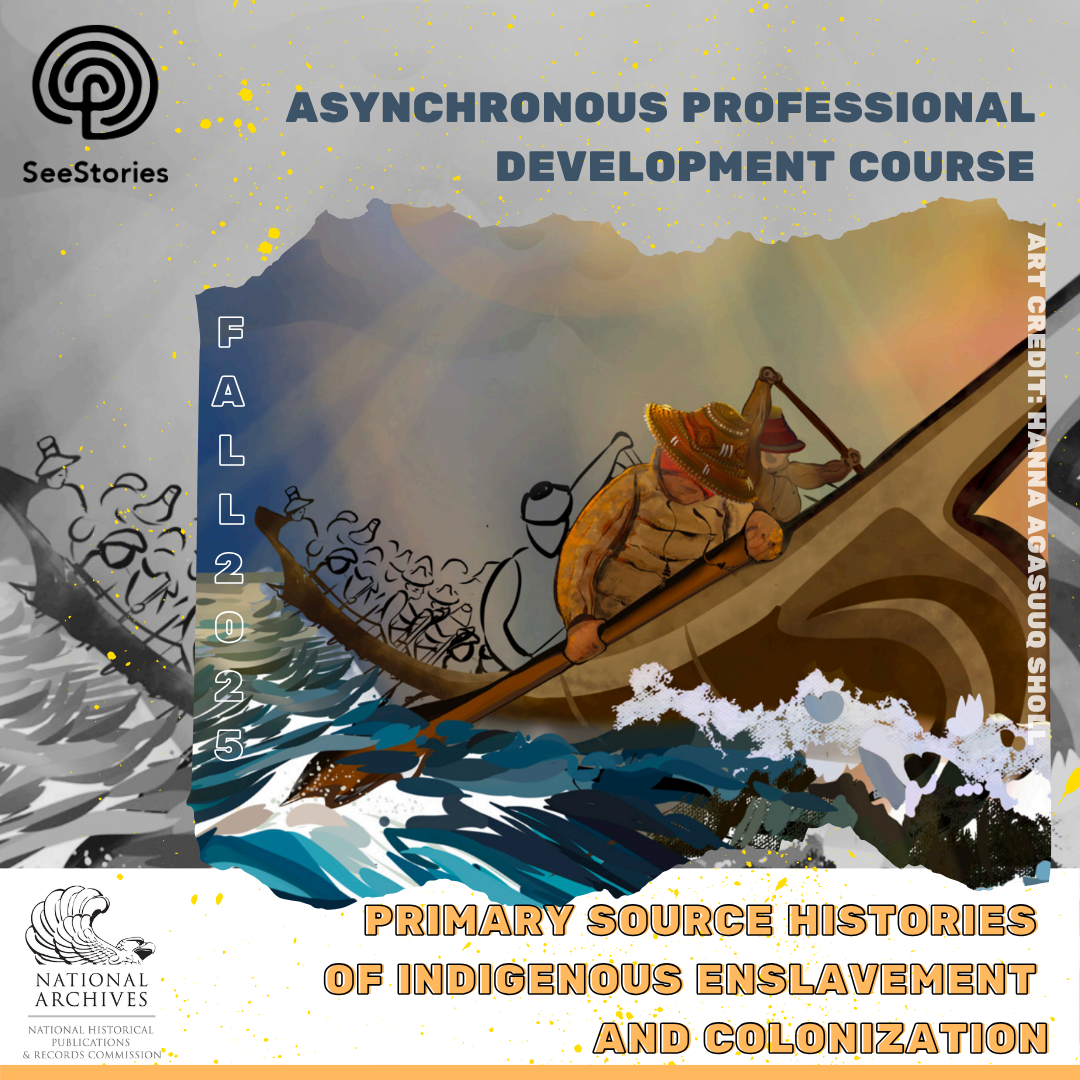
Indigenous Enslavement Course
Course Description: Provides a framework for the understanding and teaching of Alaska studies through an examination of conflicting perspectives surrounding and emanating from key events in recent Alaska Native history. Considers the extended impact of these events upon Indigenous and immigrant residents, institutions of Alaska, and Alaska’s environment. Focuses on Alaska Native perspectives while exploring varying views of the social, economic, and political history of Alaska and the educational institutions and laws that affect the people of Alaska.
Explores place-based history through original research connecting stories of Indigenous enslavement across the state. Includes guest presentations from Alaska Native scholars, culture bearers, historians, and educators.
Uses a culturally responsive, trauma-informed lens. Explores cultural bias in primary sources and strategies for how to Indigenize primary source research in the classroom by engaging elders and community members. Participants in the course will design meaningful lesson plans that support their students to engage with primary sources.
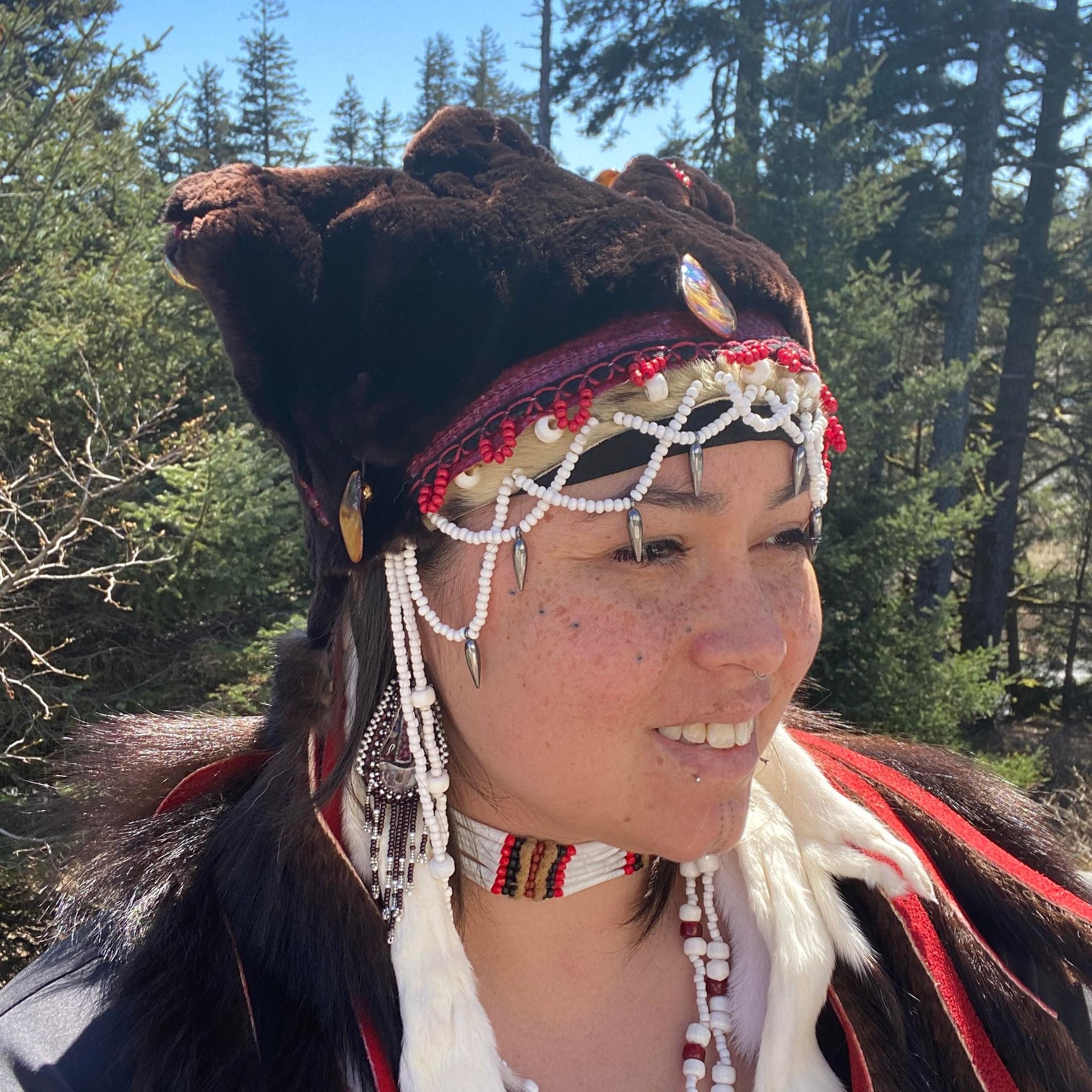
Hanna Agasuuq Sholl
Hanna Agasuuq Sholl is a Sugpiaq artist & educator who lives in Kodiak. She collaborates with See Stories on developing a Kodiak-specific Indigenous enslavement curriculum for teachers to implement in their classrooms. Sholl serves as See Stories’ Indigenous Curriculum Manager, leading a dedicated team of Indigenous creators developing curriculum on Indigenous enslavement across Alaska.
Megan McBride
Megan McBride (she/her) lives on Dena'ina lands in Anchorage. Before joining See Stories, McBride worked in education both as a high school social studies teacher and with the nonprofit program Alaska Youth for Environmental Action. She has a Masters in Teaching from Lewis & Clark College and is liscenced in social studies as well as Teaching English to Speakers of Other Languages. McBride believes in the power of bringing people together, sharing stories, and forging connections. As Education Programs Manager she leads See Stories’ professional development courses for educators.
Andrés Reséndez
Andrés Reséndez is a professor of history at University of California, Davis, whose interests include Mexican and Iberian history, the exploration and colonization of the Americas, and borderlands history. His book, The Other Slavery: The Uncovered Story of Indian Enslavement in America, details the imprisonment, trafficking, and abuse of hundreds of thousands of Indians in North America from the time of Columbus to the late 1800s and how it decimated the Native American population. A National Book Award finalist, the book won the 2017 Bancroft Prize honoring outstanding writing in American history.
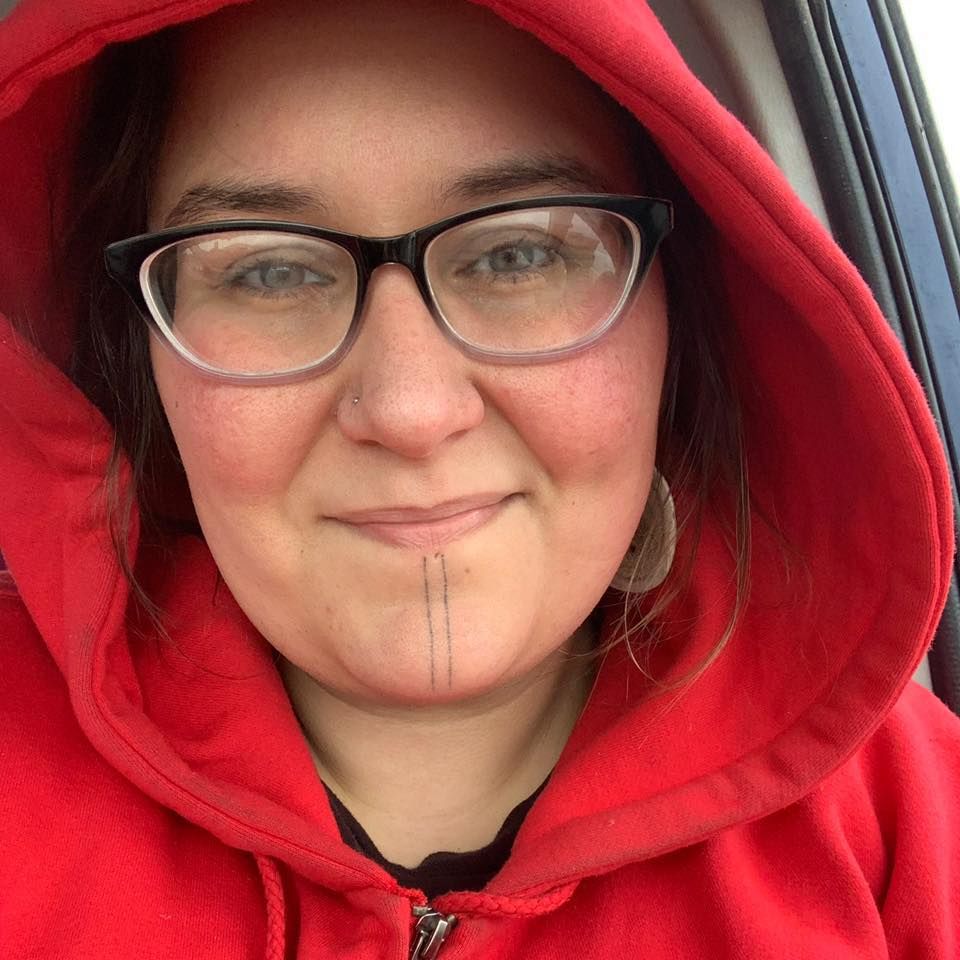
Amber Webb
Amber Webb is a Yup'ik and Sugpiaq artist, educator, and activist from from Curyung/ Dillingham, Alaska. She graduated from UAA with a BA in woven fibers and a minor in history in 2013. In 2018, she was awarded a Rasmuson Foundation Individual Project Award for a 12 ft qaspeq to honor MMIWG in North America. Webb is a member of the Steering Committee for this project because she is motivated to "expand the collective understanding of our history." She shares, "It is our birthright to tell the truth today for all of the people who were prevented from confronting the oppression. When we share truth, we can be freed from the war of internalized and lateral oppression."
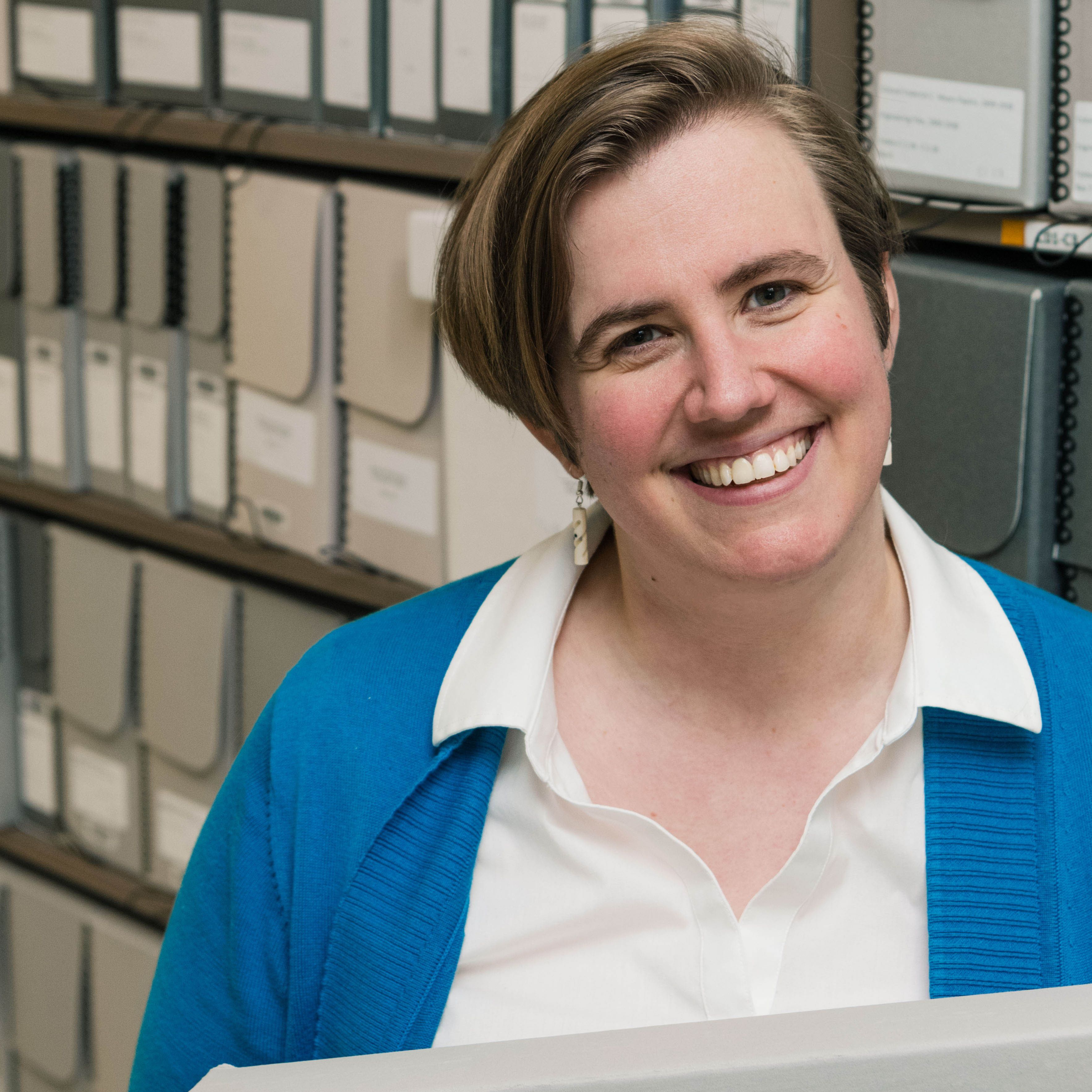
Rachel Cohen
Rachel Cohen is an assistant Professor at the University of Alaska Fairbanks where she serves as the Head of Distinctive Print Collections & Archives. Cohen is a member of the Steering Committee for this project, guiding our engagement with archival resources. She loves helping people by connecting them with the information they need and facilitating access to the unique collections at the library. Originally from southeast Alaska, Cohen holds degrees in English and writing, library and information science, and theater history.
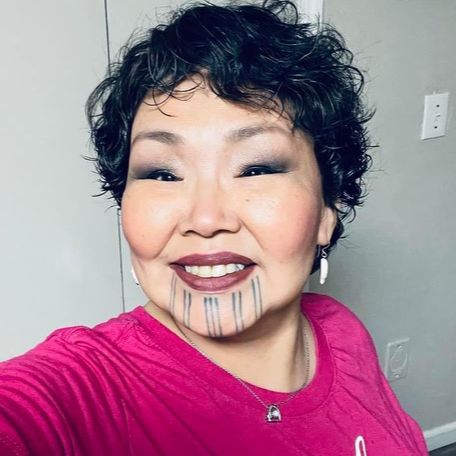
Yaari Walker
Yaari Walker is a spiritual healer, scholar, and culture bearer. She serves as our Yupik Cultural Consultant from Savoonga on St. Lawrence Island. The topic of indigenous enslavement is personally important to her and her family's history. Walker has worked as the Indigenous Consultant at Alaska Pacific University, a Culture Bearer at the Alaska Native Heritage Center, and as a Cultural Peer Support Specialist with Cook Inlet Tribal Council. She is a producer of the PBS One with the Whale and recently authored a memoir titled Aatak Ayguumun Angwaaghnaqi: Keep Paddling Against the Wind.
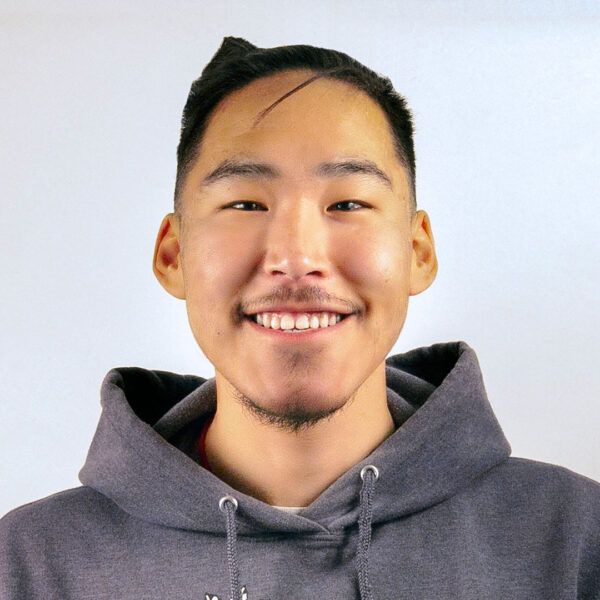
Golga Oscar
Golga Oscar is a self-taught artist who creates modern textiles that reflect his Yup’ik identity. He was born and raised in Kasigluk, Alaska, and graduated from the Institute of American Indian Arts where he earned a Bachelor of Fine Arts in Studio Arts with an emphasis in Photography. He works with different mediums ranging from leather/skin sewing, to grass weaving and walrus ivory and wood carving. Oscar is the only male seamstress in his extended family, carrying forward both his grandmother’s legacies. Oscar’s work is in permanent collections at the Anchorage Museum, Burke Museum, and International Folk Art Museum, and has been featured in Vogue Magazine. He has received recognition from First People’s Fund as well as the Rasmusson Foundation. As a fluent Yup’ik speaker, he is dedicated to keeping his culture and traditions alive and relevant by teaching the next generations about their language and art.
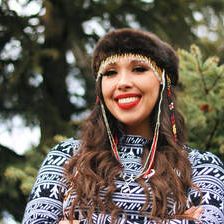
Dr. Haliehana Alaĝum Ayagaa Stepetin
Dr. Haliehana Alaĝum Ayagaa Stepetin (Unangax̂) is an artist, scholar, and activist. Her scholarly research engages Native North Pacific perspectives on food sovereignty and environmental justice in dialogue with Unangax̂ subsistence performances and sustainability protocols as interventions to the ongoing climate crisis. Stepetin’s passions include performing, choreographing, and composing Unangax̂ dance, especially with Tanam Anĝii Collective. Stepetin has a PhD in Native American Studies from U.C. Davis (Patwin Lands); a Master of Arts in Cultural Studies from the University of Washington Bothell (Coast Salish Lands), a Bachelor of Arts in International Studies with a concentration on Russia from UAA (Dena'ina Elnena).
Photo by Jaiden Willeto
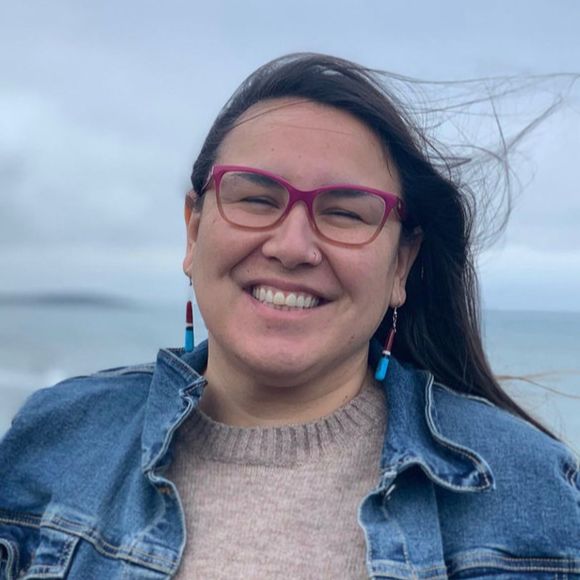
Miranda Petruska
Miranda Petruska is Dichinanek’ Hwt’ana from Nikolai, Alaska. She received her Bachelor of Art Degree in Rural Development with a focus in Community Health & Wellness from the University of Alaska Fairbanks campus and is currently working on completing her Master’s in Social Work Degree from the University of Denver. Petruska has worked in Tribal healthcare for 17 years primarily in the Community Health Aide program. She currently serves as a board member for her village corporation and is working at a community behavioral health center in Port Angeles, WA, and previously was a board member of See Stories.
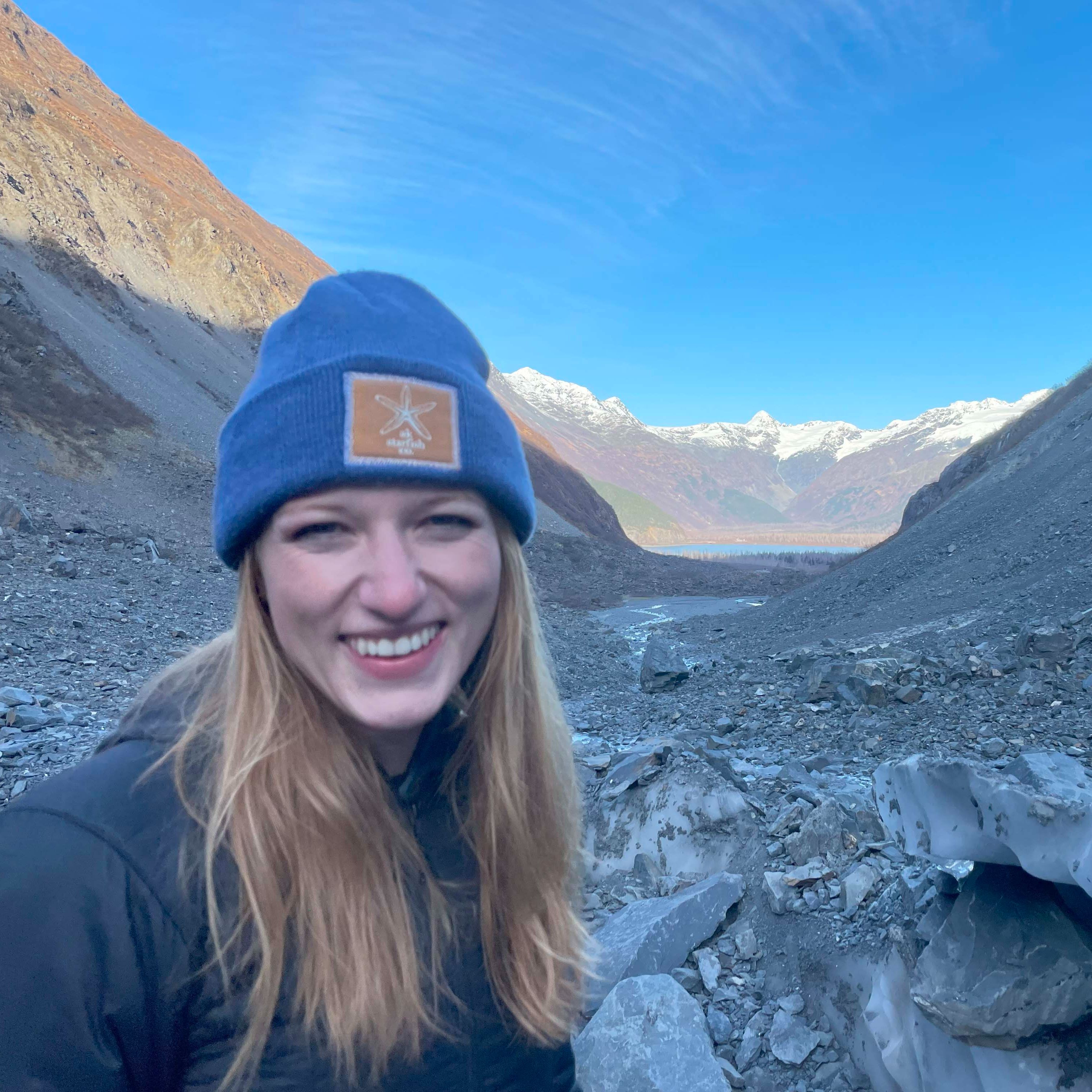
Becky Butler Gallegos
Becky Butler Gallegos is an archivist at the UAA/APU Consortium Library Archives and Special Collections. Her favorite archival items are diaries (She loves reading secrets!) and lantern slides. She became an archivist because she believes in the power of stories and how we construct them — her job is to help people find stories from the past and present.
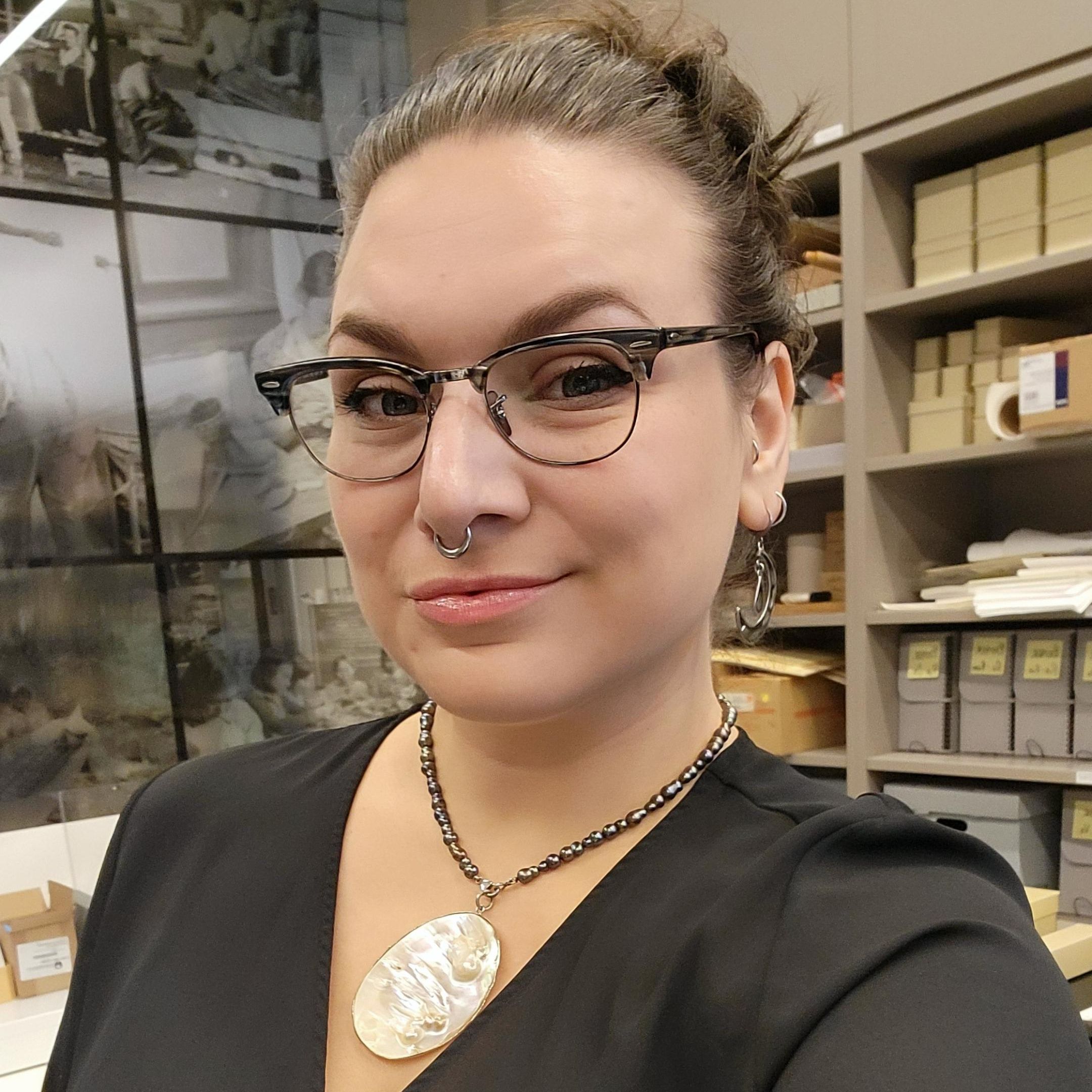
Amy Valentine
Amy Tula.aan Tláa Valentine (Umpqua) lives and works on the unceded lands of the Eklutna Dena’ina people. As an Archivist at the Anchorage Museum with a background in collections management, she continues learning from and contributing to the continued decolonization of museum stewardship practices. While she is knowledgeable in accessing digital and photographic collections, her special interests include Indigenous community collaboration, working with Cultural Heritage collections, and amplifying historically excluded voices in archives spaces.
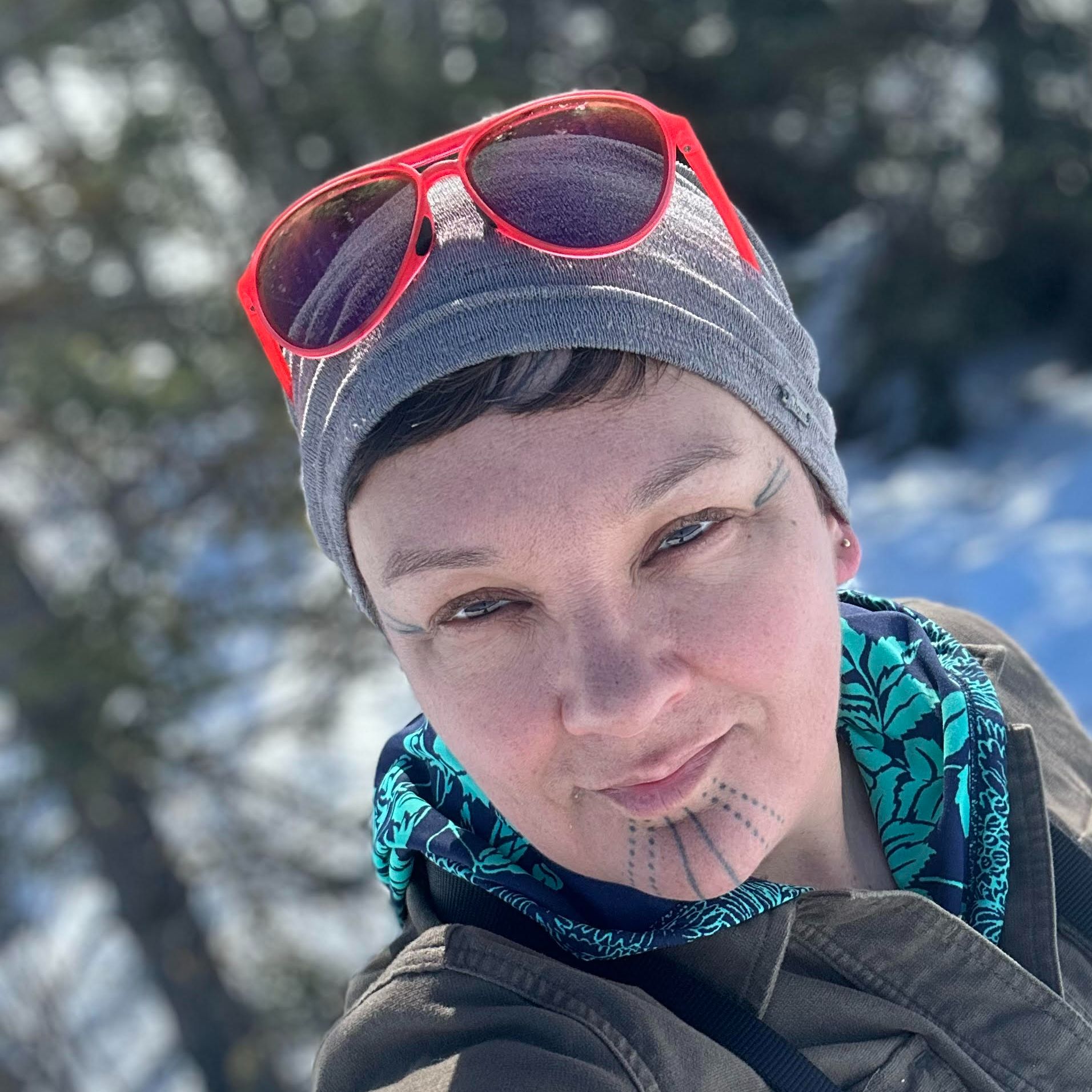
Holly Mititquq Nordlum
Holly Mititquq Nordlum is an artist, a graphic designer, traditional Inuit tattooer and filmmaker. She received a Bachelor of Fine Art Degree in Graphic Design and Photography from the University of Alaska Anchorage. Nordlum was named a Time Warner Fellow with the Sundance Film Festival, and received an Art Matters grant, and a Humanities Forum grant for her work documenting the Tupik Mi Project (traditional Inuit tattooing) – which was also featured in the New York Times Lifestyles Section Summer 2018, a Rasmuson Individual Artist Award, and was named to the Smithsonian’s National Museum of The American Indian’s Artist Leadership Program.
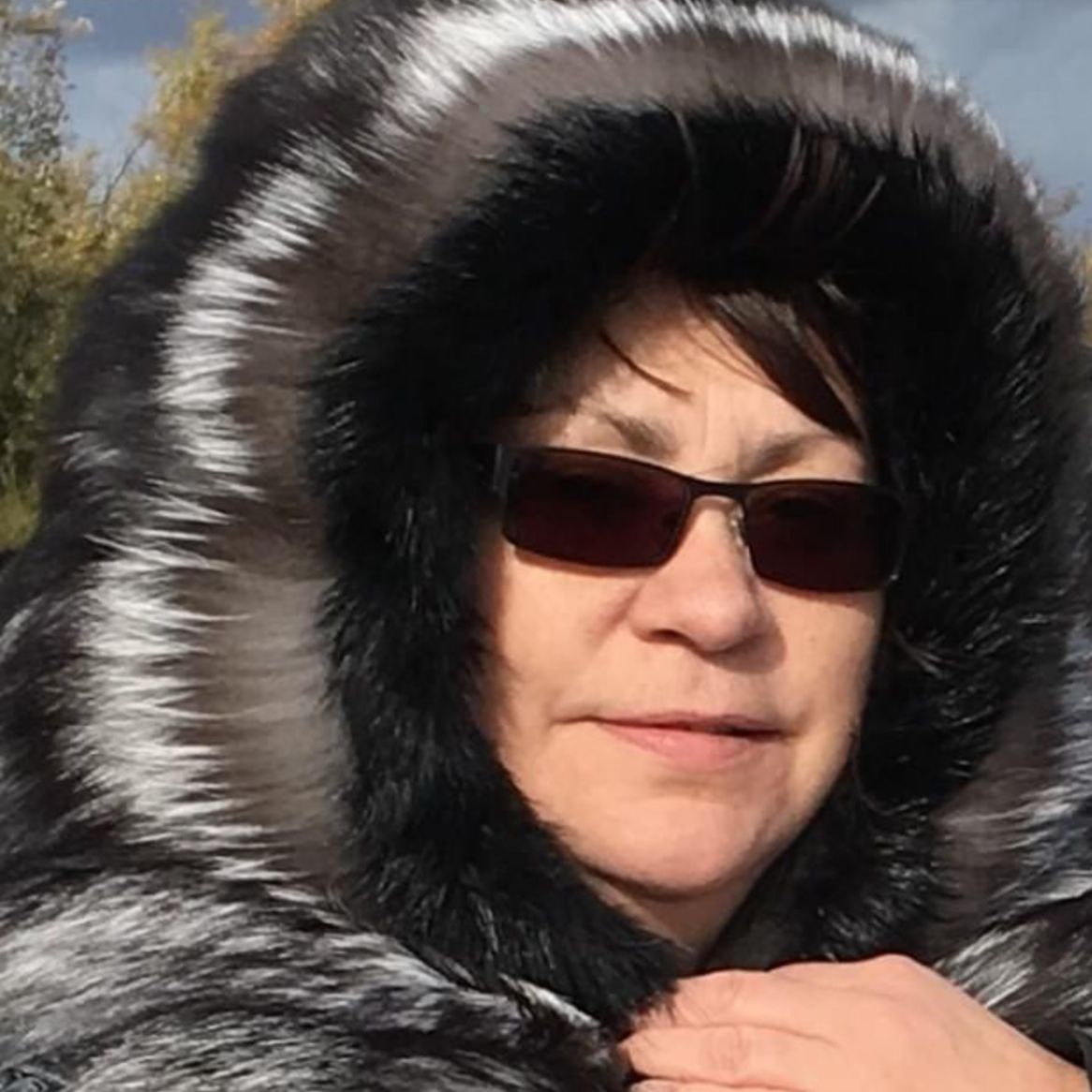
Alberta Demantle
Alberta Demantle is an elementary educator in Akiak, Alaska. She is Alaskan Native, of Yup'ik and Dena'ina Athabascan descent. Demantle has participated in several See Stories teacher professional development courses, and led digital storytelling workshops with students in Akiak. She serves on the Steering Committee for this course and brings her lens of culturally responsive teaching.
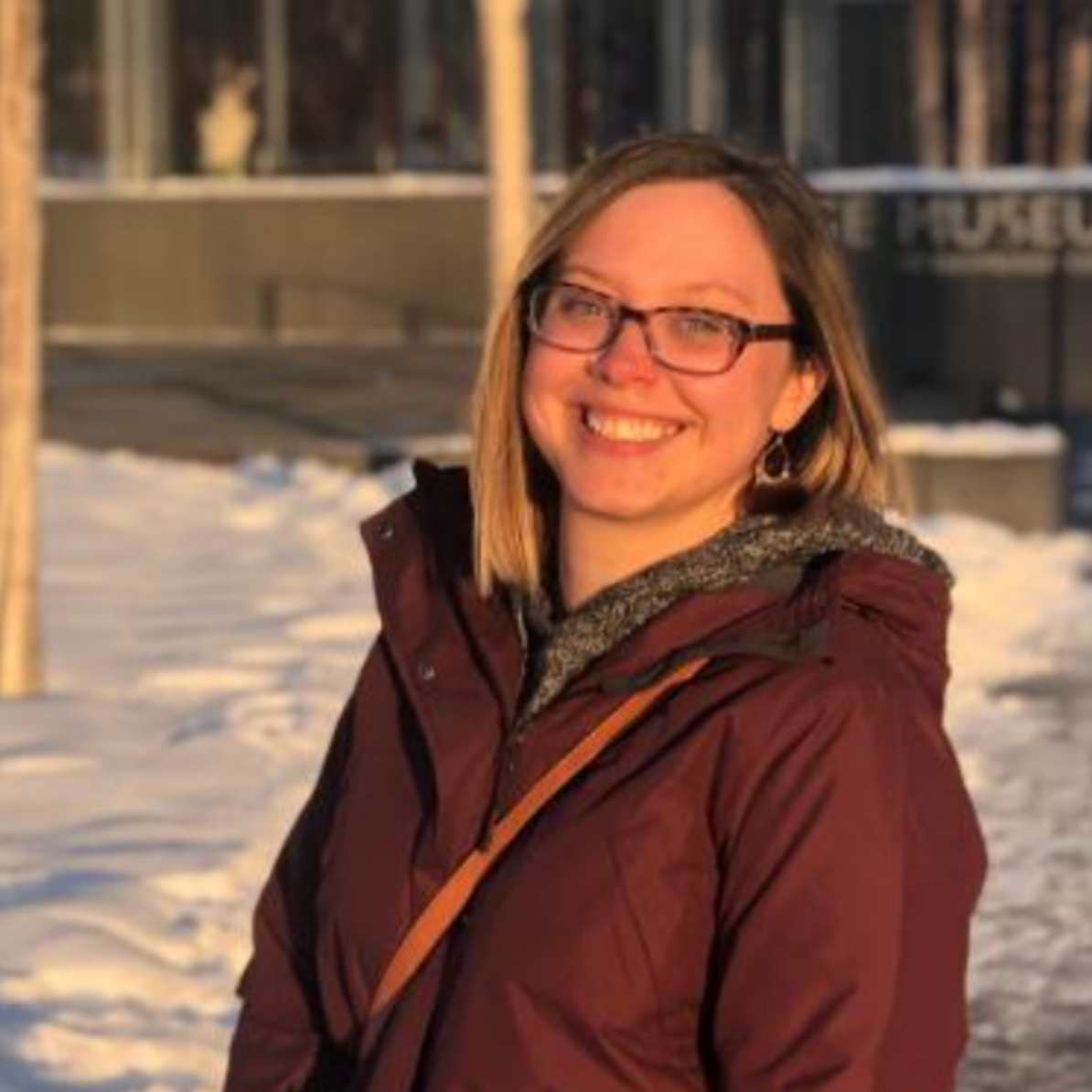
Heather McClain
Heather McClain lives and works on the unceded lands of the Eklutna Dena’ina. She is an Archivist at the Anchorage Museum and is an experienced museum professional with a background in ethical stewardship of collections and providing equitable access to communities. She has a Master of Arts in Anthropology with a focus in Museum and Heritage Studies from the University of Denver and is graduating in June with her Master of Library and Information Science from the University of Washington.
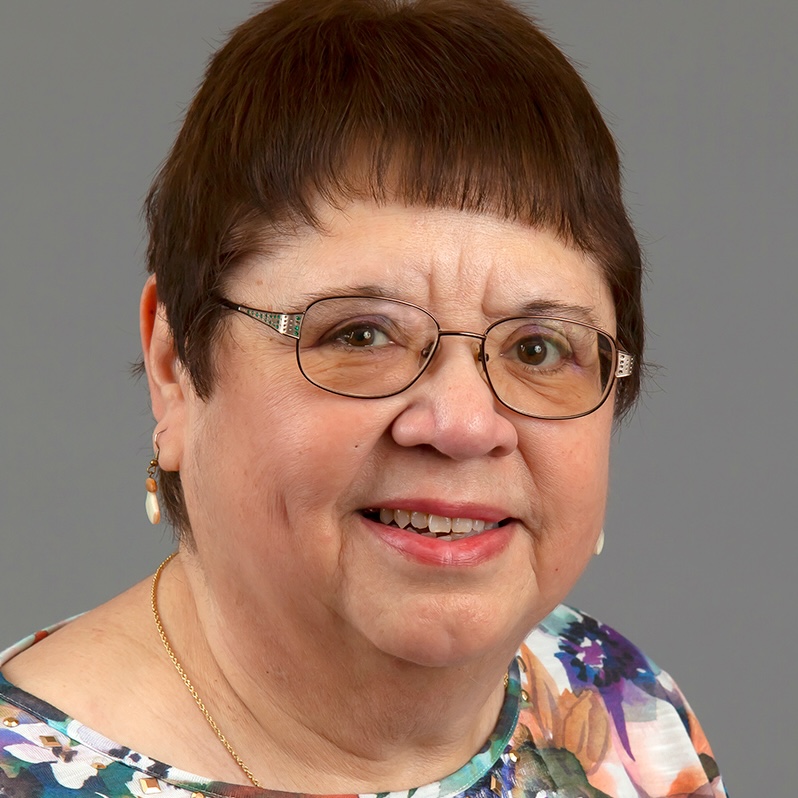
Platonida "Pachee" Kashatok
Pachee Kashatok is Aleut from St. Paul Island, Alaska, part of the Pribilof Islands located in the Bering Sea. She is a retired educator with 30 years of experience serving as a paraprofessional, teacher, special education teacher, and principal. Most of her career was spent working in villages across Alaska—from the North Slope to the Interior and the western regions. Throughout her career, she was passionate about mentoring our youth, helping them understand that with hard work, they can achieve their goals and dreams. She always encouraged them to remember who they are and where they come from. Now, as an elder, she continues to teach our students the values of our traditions—through demonstration and storytelling.
Example Curriculum
- 1.0 Unit 1
- 1.1 Somatic Self Care
- 1.2 Points to Keep in Mind (4:23)
- 1.3 The Persistence of Indigenous Slavery through History (4:11)
- 1.4 Your Words Have Power (12:19)
- 1.5 Language Matters (5:06)
- 1.6 Colonization (2:01)
- 1.7 Biases in Archives (8:12)
- 1.8 Decolonizing Primary Sources (6:36)
- 1.9 Indigenous Regions Map
- 1.10 Indigenous Peoples of Alaska (15:14)
- 1.11 Unit Reflection - Course Introduction
- 2.0 Unit 2
- 2.1 From Cultural Practices to Commodification (6:09)
- 2.2 Global Context of Slavery (21:01)
- 2.3 Indigenous Enslavement in America
- 2.4 Modern Human Trafficking (2:31)
- 2.5 The Purchase of Alaska (3:43)
- 2.6 Substance Use as Coercion of Indigenous People (1:36)
- 2.7 Unit Reflection: Indigenous Slavery - Historical Context
- 7.0 Unit 7
- 7.1 Culturally Responsive Teaching
- 7.2 Teaching Culture & Decolonizing Multicultural Education (8:54)
- 7.3 Cultural Standards
- 7.4 Trauma-Informed Resources (10:02)
- 7.5 Opportunities for Schools and Educators to Support Healing
- 7.6 Unit Reflection - Culturally Responsive, Trauma-Informed Teaching
- 11.0 Unit 11
- 11.1 Effects of Colonization and Enslavement (6:39)
- 11.2 Indigenous Survivance
- 11.3 Sugpiaq Revitalization (4:11)
- 11.4 How Do We Help Students Learn Who They Are? (14:22)
- 11.5 Indigenous Cultural Practices Are Education (2:15)
- 11.6 What now? Questions that we can ask ourselves (1:52)
- 11.7 Oral Tradition, and the Stories We Carry (3:23)
- 11.8 Unit Reflection - Cultural Revitalization/ Looking forward